Native Garden Design Sydney: How to Build a Low-Maintenance Landscape With Structure and Style
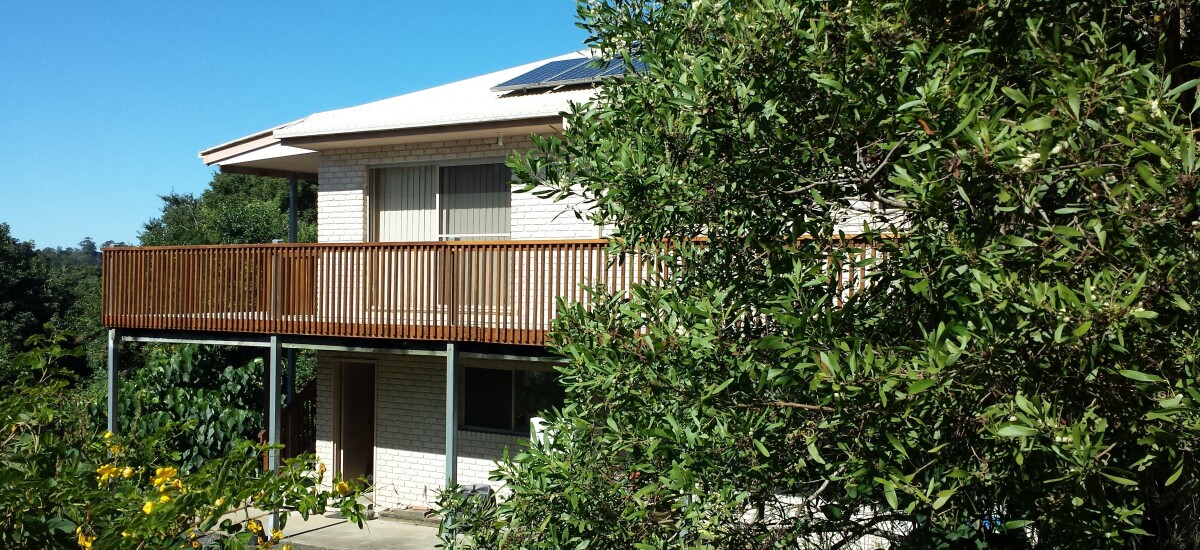
Native Garden Design Sydney: How to Build a Low-Maintenance Landscape With Structure and Style
If you have ever tried keeping a garden looking fresh through a Sydney summer, you know the struggle! Most homeowners want a beautiful garden but not the full-time maintenance job that comes with it. If that's the problem you're facing, native garden design in Sydney could be your solution!
With the right local plants, a smart layout, and a bit of careful planning, you can create a beautiful, low-maintenance landscape. As someone who loves gardening, I will walk you through building a native garden that looks fantastic without demanding all your attention!
Why Native Garden Design Works Well For Sydney Homes
One of the biggest reasons native garden design works so well for Sydney homes is that the plants are already suited to the local climate. Once established, many native species can cope with everything Sydney throws at them, including:
Hot Summers
Dry Spells
Coastal Winds
Low-Quality Soils
That means less maintenance, even when the weather turns harsh! YourHome, an Australian Government initiative, says that native and indigenous plants usually have lower water requirements than exotics, which helps you reduce your water use.
I also love that natives do not need to be overly pampered to look good. Plants like grevilleas, banksias, westringia, lomandra and kangaroo paw can bring so much colour and structure without constant trimming or feeding. They also attract birds, bees and other pollinators, which makes our gardens feel alive!
With the right plant choices and spacing, a native garden can settle in beautifully and become easier to care for each year.
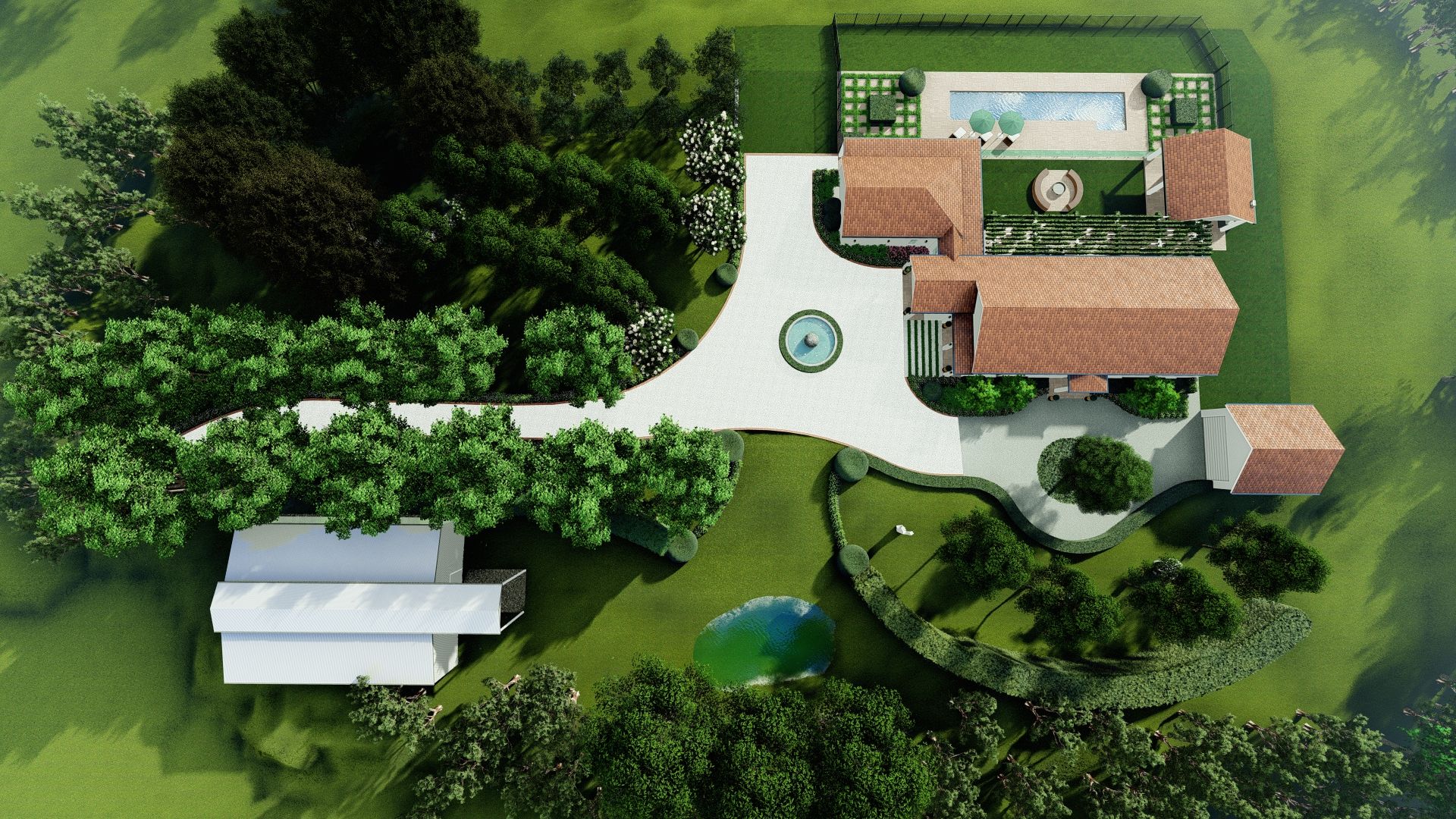
Why Native Gardens Still Need Structure and Design Intent
A great native garden should feel natural, but it still needs a clear plan behind it! The best designs balance these three elements:
Structure: You can create structure by using shrubs, grasses, feature trees and groundcovers at different heights. This adds so much shape and depth, keeping your garden interesting all year-round.
Layout: Make sure you plan in easy pathways, practical garden beds and open spaces that suit how you actually use the yard.
Design Intent: Choosing a clear design style will help your native garden feel well balanced. First, decide whether the garden should feel coastal, bushland-inspired, formal, colourful, or wildlife-friendly, and then you can choose specific plants and materials that suit that look.
How Soil, Drainage, Shade and Microclimate Influence Plant Selection
Choosing the right native plants is not just about picking what looks good at the nursery! Soil, drainage, shade and microclimate all play a huge role in whether a plant will thrive or struggle in your garden. Some Sydney gardens have sandy, free-draining soil, while others hold more moisture or sit in heavy clay. A sunny front yard can behave very differently from a shaded side path or windy balcony garden.
I always think it is worth matching plants to the actual conditions, not forcing the garden to suit the plant. If you need help, this plant finder is really helpful for choosing the best native plants!
How to Use Trees, Shrubs, Grasses and Groundcovers in Layers
Layered planting is one of the easiest ways to make a native garden feel full but not overcrowded or messy. For a successful native garden design in Sydney, you can use native trees to provide height, shade and structure. Adding shrubs can also help you create some more privacy and colour.
Grasses such as Lomandra or Dianella can soften the edges of your garden and introduce gentle movement with their swaying fronds. Finish up with groundcovers to fill any leftover gaps. This will also help prevent weeds and protect your soil! Layered planting is ideal for native garden design Sydney projects because it creates a natural look that's still attractive and easy to maintain.
Combining Native Planting With Stone, Timber, Gravel and Architectural Materials
Native planting looks its best when it is supported by the right hardscaping! The goal is to make the garden feel natural yet polished enough to suit a modern Sydney home. By mixing plants with simple, earthy materials, you can create a landscape that feels stylish, but is still low-maintenance. Some of the most popular materials that look great in Sydney native garden design are:
Stone: Natural stone works beautifully with native planting, especially for garden edging, stepping stones, retaining walls and feature areas.
Timber: Timber screens, decks, seats and raised beds add warmth and help soften the look of structured garden spaces.
Gravel: Gravel paths and mulch-style gravel areas can reduce lawn maintenance, improve drainage, and give your garden that relaxed Australian feel!
Architectural Materials: Steel edging, concrete pavers and clean-lined planters can make native gardens feel more modern, especially when balanced with soft grasses, shrubs and groundcovers.
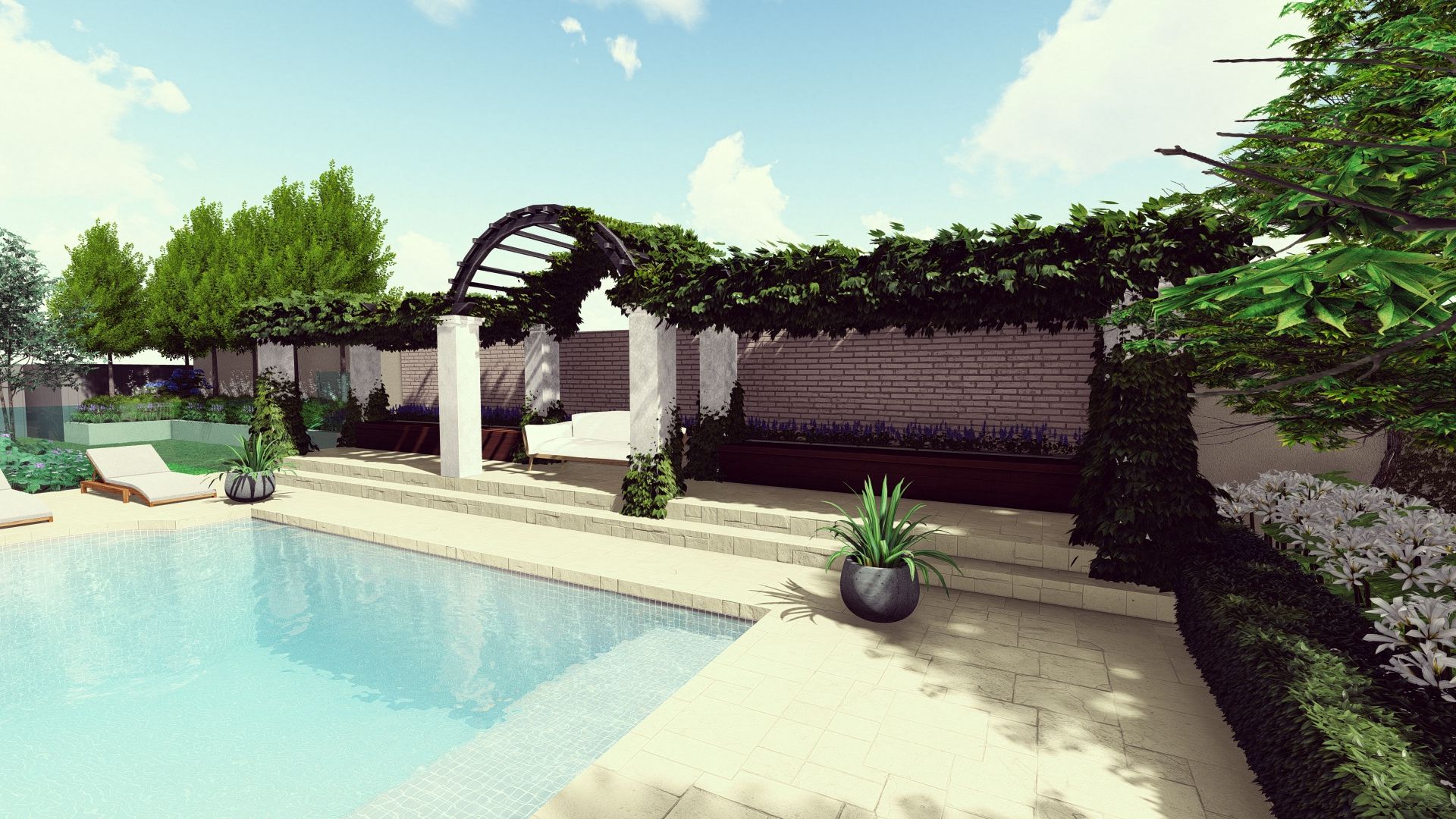
How Sydney Landscape Designers Create The Best Native Gardens
A beautiful native garden comes from understanding the site, the soil, the sun, the home's architecture, and how the garden will actually be used. It’s a lot to think about! That's why getting help from a professional Sydney native garden designer can make a real difference.
A good Sydney landscape designer can help by:
Choosing The Right Native Plants
Creating A Layout That Feels Stylish Yet Practical
Achieving A Layered, Natural Look
Reducing Future Maintenance
Blending Planting With Beautiful Materials
Designing A Garden That Suits Your Home
As a garden lover, I believe native gardens are among the best ways to create an outdoor space that feels beautiful yet low-maintenance. Whether you are starting from scratch or refreshing your existing yard, I wish you the best as you design your very own low-maintenance native garden!
If you are planning a larger outdoor upgrade, it may also help to consider broader Sydney landscaping ideas so that the native planting works with the overall layout of the yard.
Design the Planting Around Sydney's Soil Transitions
One of the most overlooked parts of native garden design in Sydney is how quickly soil conditions can change from one site to the next. Some gardens sit on shallow sandstone with fast drainage and low fertility. Others have heavier clay, compacted fill, poor drainage or mixed soil left behind after building work. A plant that thrives in one Sydney garden may struggle only a few streets away.
This is why a good native garden should not begin with a shopping list of plants. It should begin with a site reading. The designer needs to understand where water moves, where soil dries out first, where roots will compete, where reflected heat builds up and where imported soil may be needed to create better growing conditions.
For example, many native plants dislike sitting in wet, heavy soil, especially if the garden has poor drainage after rain. In those situations, the solution may not be “more hardy plants”. It may be raised planting, better soil preparation, drainage correction, sandstone-style mounding or a planting palette selected for heavier conditions.
The best Sydney native gardens look effortless, but they are rarely accidental. They work because the planting is matched to the soil profile rather than forced into the wrong conditions.
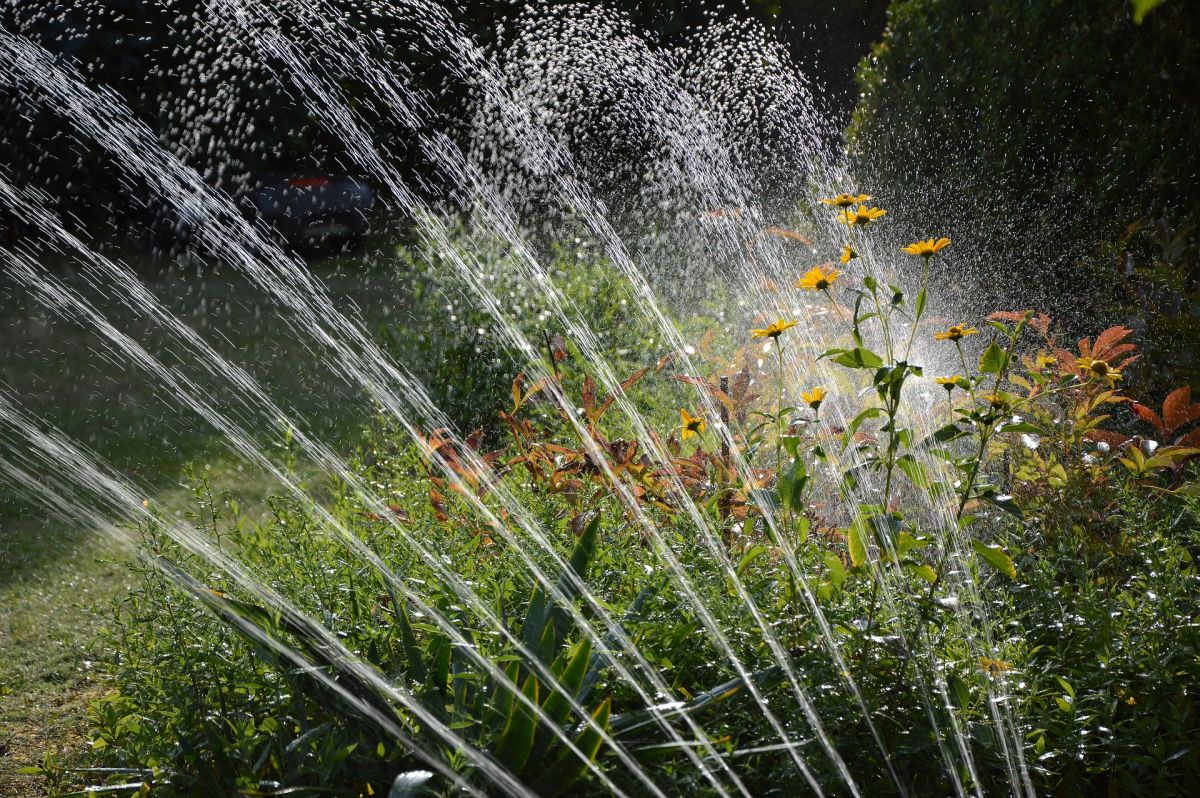
Use Plant Architecture, Not Just Plant Colour
A common mistake in native gardens is choosing plants mainly for flower colour. Flowers are valuable, but they are seasonal. Structure is what holds the garden together for the other months of the year.
An experienced landscape designer will look at the architecture of the plant: its mature height, density, habit, leaf texture, branching pattern, movement, and shadow, as well as how it sits beside paths, walls, windows, and outdoor living areas. A fine-leafed grass, a clipped westringia, a sculptural banksia and a low groundcover all behave differently in the composition.
This is especially important in Sydney homes where native planting may sit beside strong built forms such as rendered walls, concrete steppers, timber decks, pools, sandstone blocks, steel edging or architectural fencing. The plants need to soften the built elements without hiding the design.
A refined native garden usually uses fewer plant types, repeated well. Instead of filling the garden with every attractive native at the nursery, the stronger approach is to build rhythm: one plant for height, one for screening, one for texture, one for seasonal colour and one for ground coverage. This creates a garden that feels calm, deliberate and high-end rather than busy.
Plan for Mature Size, Not Nursery Size
Native plants often look small and harmless in nursery pots, but many grow much wider, taller and denser than homeowners expect. Poor spacing is one of the main reasons native gardens become messy, crowded or difficult to maintain.
A professional planting plan should be based on mature size, not the plant's size on installation day. This includes the mature canopy width of small trees, the spread of shrubs, the density of grasses, and the way groundcovers move through open soil. It also means leaving enough room around paths, steps, driveways, windows, pools and service areas.
Good spacing can feel slightly bare at first, so temporary planting, mulch, gravel, groundcovers or staged planting may be used to hold the design together while the garden establishes. This is better than overplanting and having to remove half the garden two years later.
In a well-designed native garden, every plant should have a job. Some provide shade, some screen neighbours, some stabilise soil, some soften hard edges, and some create seasonal interest. When plants are selected and spaced for their mature roles, the garden ages gracefully rather than becoming a maintenance problem. If an existing tree is unsafe, poorly positioned or blocking the new garden layout, it may be worth reviewing when tree removal is necessary before finalising the planting plan.
FAQs About Native Garden Design in Sydney

Do I really need to check my soil and light before planting?
Yes! I know it sounds boring, but this is one of the biggest shortcuts to a healthier, easier garden. Sydney gardens can vary widely, from sandy coastal soil to heavy clay, and some natives love full sun while others prefer filtered shade. So understanding your soil and light conditions is really important to choose plants that will actually enjoy living there.
Should I add compost and fertiliser to native soil?
A little helps, but don't overdo it! Many Australian native plants prefer plain soil and can struggle with rich fertilisers, especially ones high in phosphorus. I usually improve poor soil with a bit of compost, then use a native-specific fertiliser if needed. When using fertiliser, the aim should be to improve structure, drainage, and plant health without overwhelming plants already adapted to local conditions.
Why do my plants look overcrowded or patchy?
This usually comes down to spacing and plant selection. Native plants can look small when they first go in, so it is tempting to pack them tightly. Then, a year or two later, they are fighting for space! But if you space everything out too far, it can make your garden look bare for ages. A good native garden design balances mature plant size, layered planting and groundcovers, so the garden fills out naturally without becoming a tangled mess.
Do native plants require zero maintenance?
No, and this is a common misunderstanding. Native gardens still need watering while they establish, occasional pruning, mulch top-ups and some weeding. The difference is that once the right plants are settled in the right positions, they need far less attention than thirsty lawns or high-maintenance exotic planting.
How do I make sure my native garden doesn't look neglected?
The secret to keeping your native garden from looking neglected is structure! You can mix soft, natural planting with clear edges, paths, feature rocks, mulch and a few stronger shapes like clipped westringia, lomandra borders or small native trees. I would also recommend lightly pruning after flowering, removing dead growth, and keeping the mulch tidy. Repetition also helps, because repeating a few plant varieties makes the garden feel intentional rather than random!
The Australian Cleaning & Maintenance Blog Contact Us
Here you'll find tips and tricks to a better, cleaner and safer home. From cleaning hacks, tips, strategies and routines, this is your go-to for all things cleaning! Even though the domain contains the word gutter cleaning, the site is for all types of maintenance. If you want to submit an article, ask a question or express your undying love for us, please use the contact form below.
Address
Australia